New school planning support
The opening programme itself: workstreams, dependencies, critical path and the decision dates that everything else hangs from.
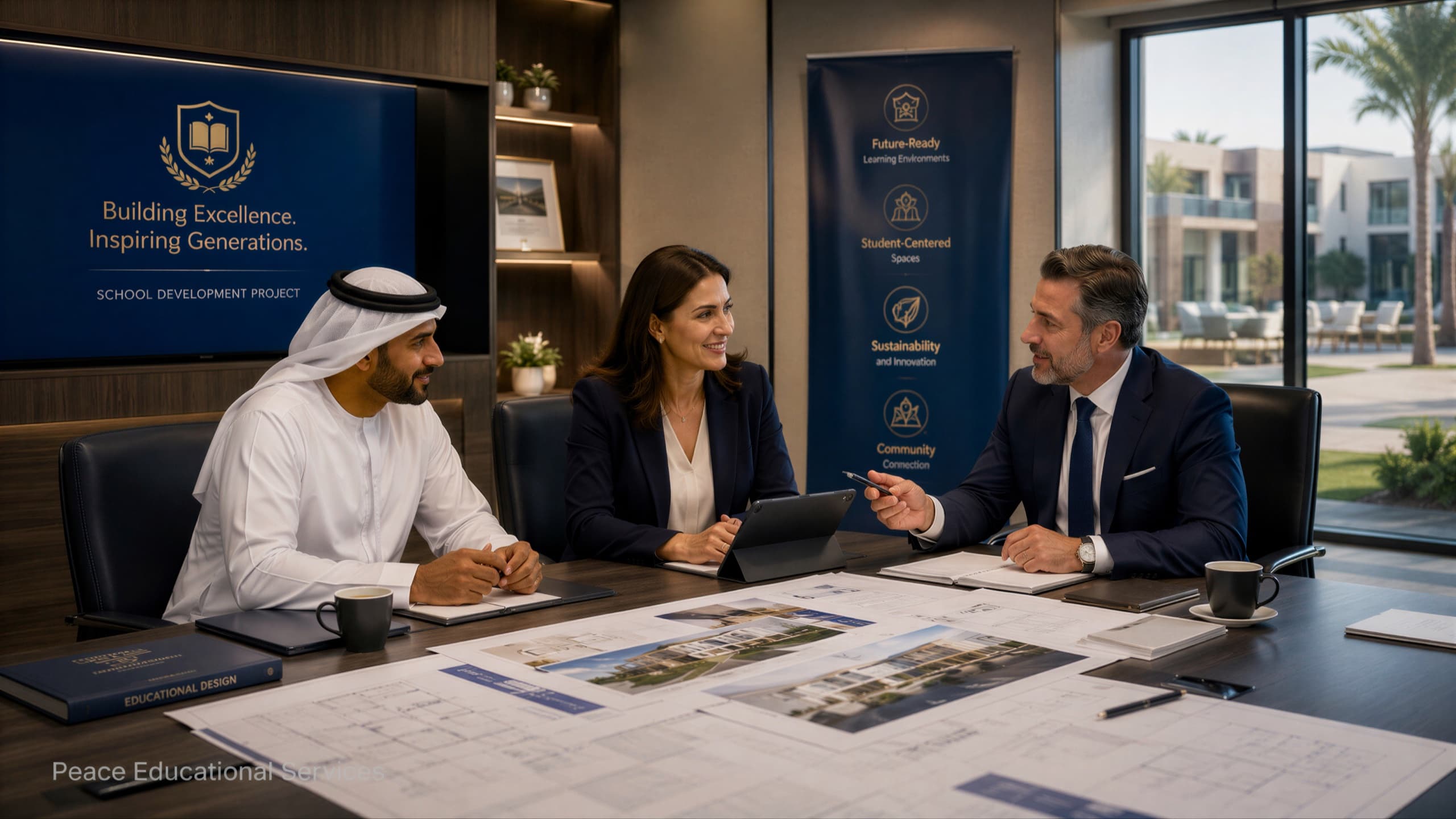
Opening a school is thirty parallel projects with one immovable deadline. This is the service that holds them together.
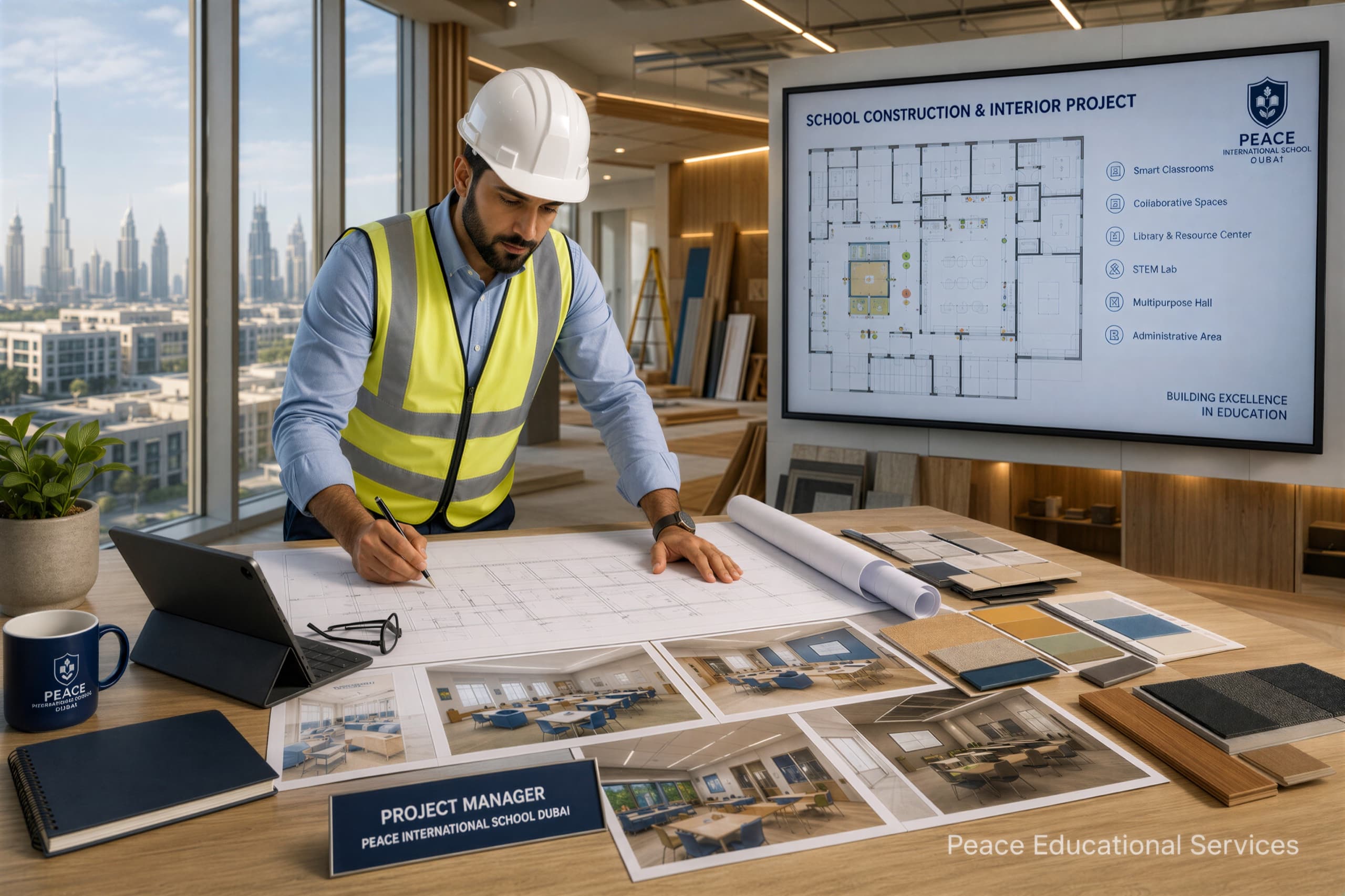
School setup
The service
A school opening fails in the joins. The furniture arrives before the floors are finished. The teachers are appointed but the visas are not processed. The books are ordered against a curriculum that changed in March. Every individual workstream is competent; the sequencing is what nobody owns.
This service is that owner. One programme, one critical path, one person you call — pulling in the other eleven services on this page as the programme needs them, and telling you early when a date is no longer achievable rather than late when it is obvious.

Coverage
Seven strands of work, each one explained and pictured. Take the whole of it, or the one strand your school is short on.
The opening programme itself: workstreams, dependencies, critical path and the decision dates that everything else hangs from.
One point of coordination across academic, staffing, facilities and procurement, with a single status view rather than four.
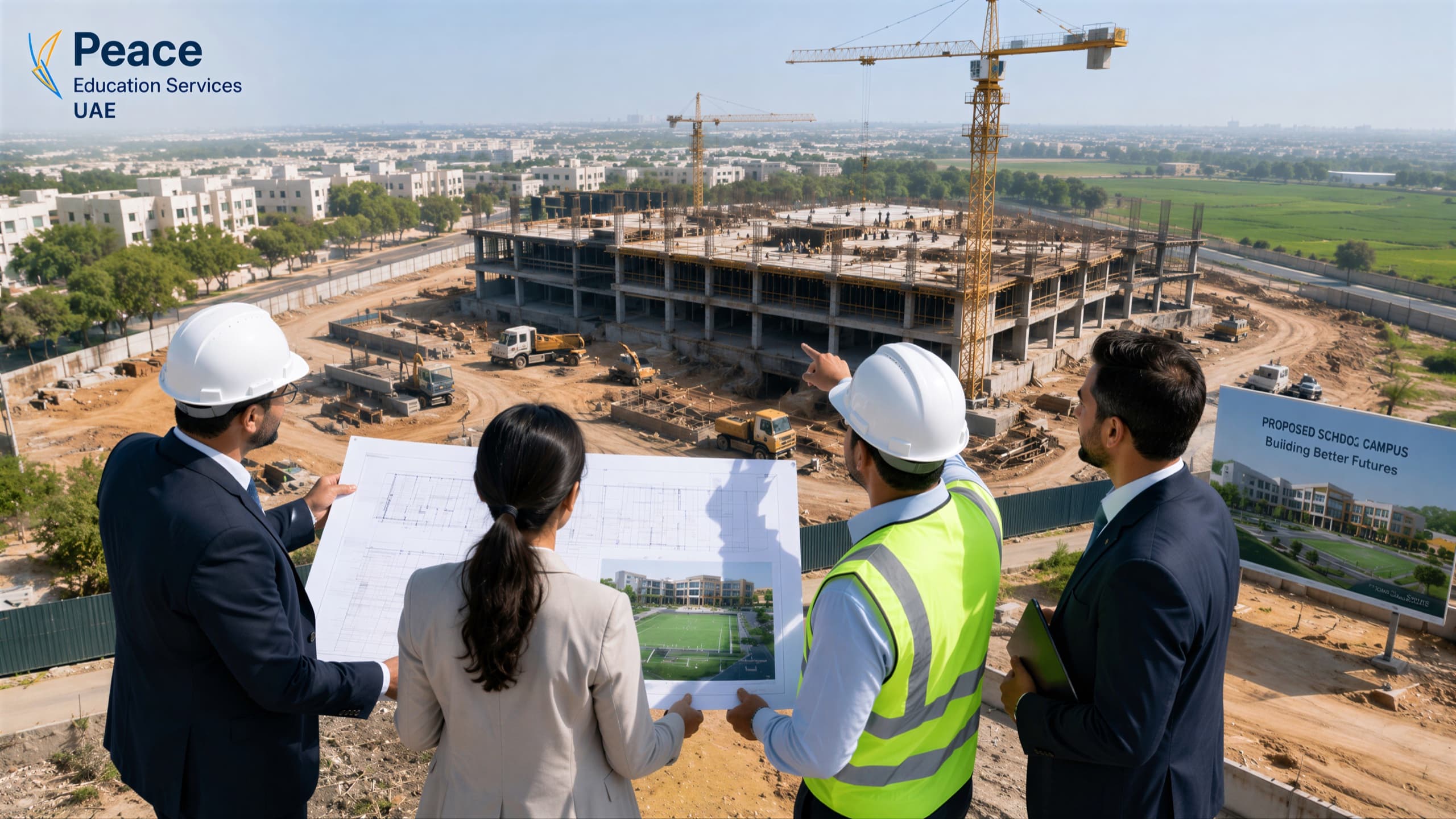
Managing suppliers against the programme so deliveries land in the right order and the building is not storing desks it cannot yet place.

Sequencing leadership, teaching and support appointments against visa timelines and the pre-opening training window.

Books, equipment, furniture and consumables planned against the opening roll and the phasing of year groups.

Network, systems, classroom technology and administrative platforms live and tested before the first day rather than during it.
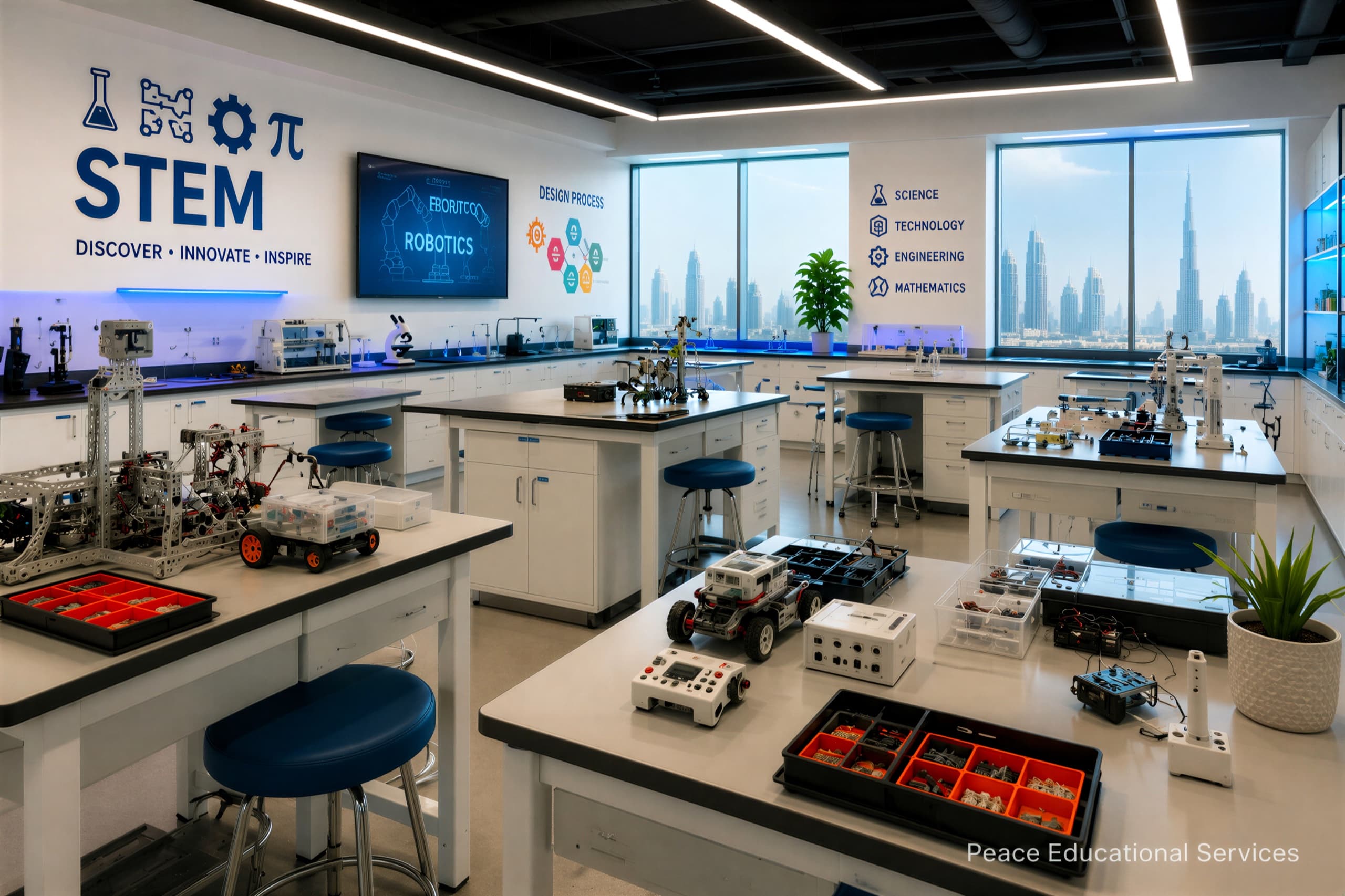
Admissions readiness, policies, staff induction, dry runs and the final walk-through of every room against its schedule.
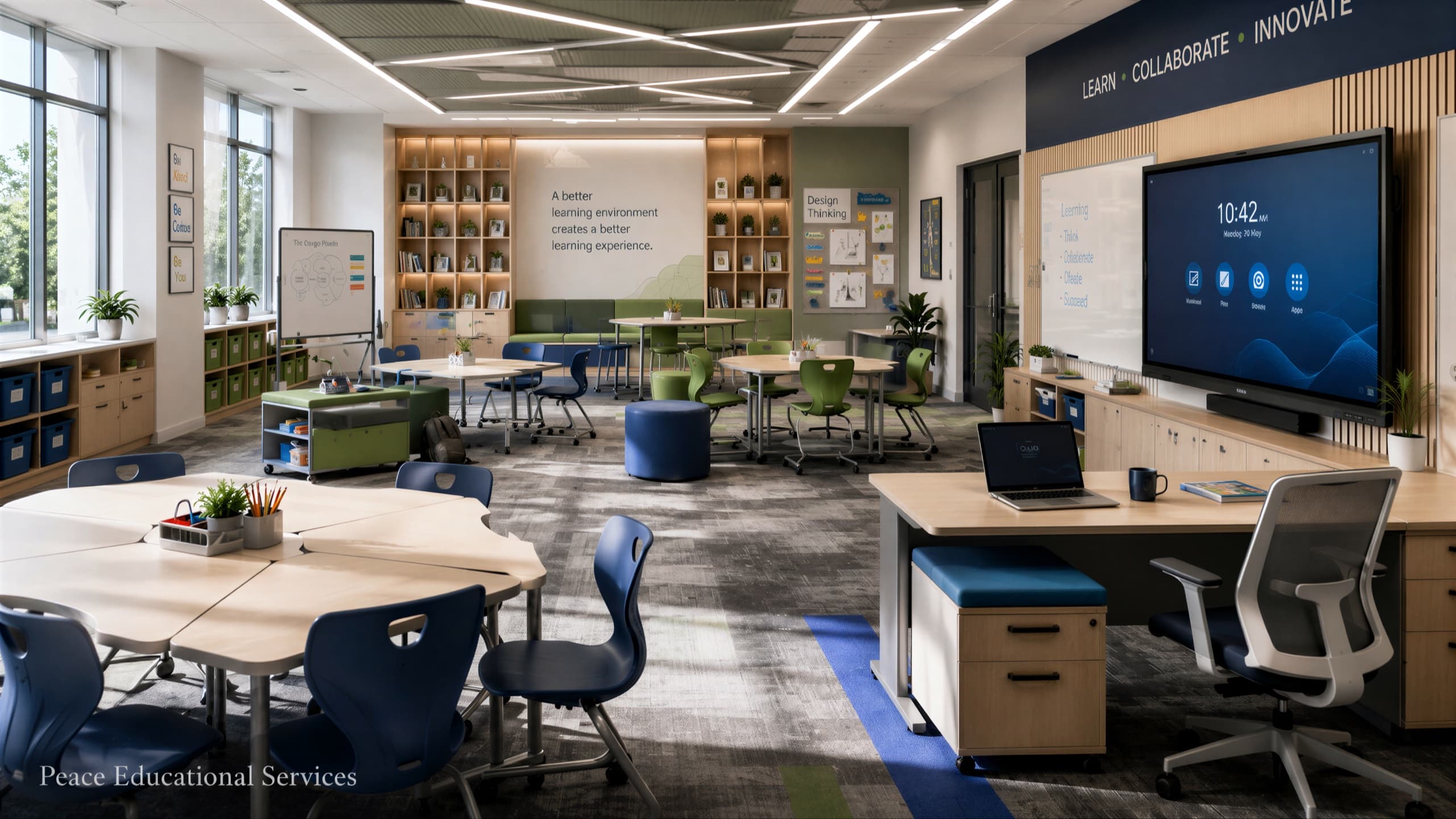
Deliverables
Deliverables, not intentions. Each of these is a thing that exists at the end of the engagement and can be pointed at.
Every workstream on one critical path, with dependencies, owners and decision dates.
One document that tells the board where the opening actually is, issued on a rhythm you can rely on.
Suppliers sequenced against the programme so deliveries arrive when the building is ready for them.
Rooms walked and signed off against their schedules, systems tested, staff inducted, before the first assembly.
Looking ahead
Opening a school is a critical-path problem with a fixed date at the end of it. The AI work here is not clever: it is about seeing the slip early enough to still do something about it.
Licensing, construction, recruitment, procurement and fit-out held as one schedule, so the knock-on effect of a slip is calculated rather than guessed at in a meeting.
What that looks like
A two-week furniture delay arrives as the three decisions it actually threatens.
Layouts, circulation and capacity modelled against the timetable the school will actually run, so the expensive mistakes are found on screen.
What that looks like
A corridor that fails at changeover found in the drawing rather than in September.
Network, power and device capacity specified for AI-era teaching rather than for the year the drawings were signed — and load-tested before handover.
What that looks like
Thirty devices in one room, all working, proved before the first day of term.
In development, and labelled that way deliberately. Ask where each of these stands when you enquire — we will tell you what is running, what is being built and what is still on the bench.
The route
The same five stations every project travels, applied to school setup.
You tell us the opening date and where the project is today — a licence application, a site, or a half-finished building.
A draft opening programme with the critical path visible, and a proposal for the coordination role.
Room mock-ups, furniture samples and system demonstrations, so decisions are made against real things.
Suppliers, recruitment and construction interfaces run against the programme, with a status report on a fixed rhythm.
Room-by-room sign-off, staff induction and a dry run, then the first day. Then we stay through the first term.
Questions
The earlier the cheaper. Involvement at concept stage changes the building; involvement three months out changes only the panic.
No. We are the educational programme owner and we work alongside the construction project manager, who has a different job.
We tell you as soon as the critical path says so, in writing, with options. A date defended in silence is how openings become emergencies.
Pairs well with
Start the conversation
Whether that is thirty teachers, one laboratory, or a building that opens in September, the first conversation is the same.
Start an enquiry