School establishment support
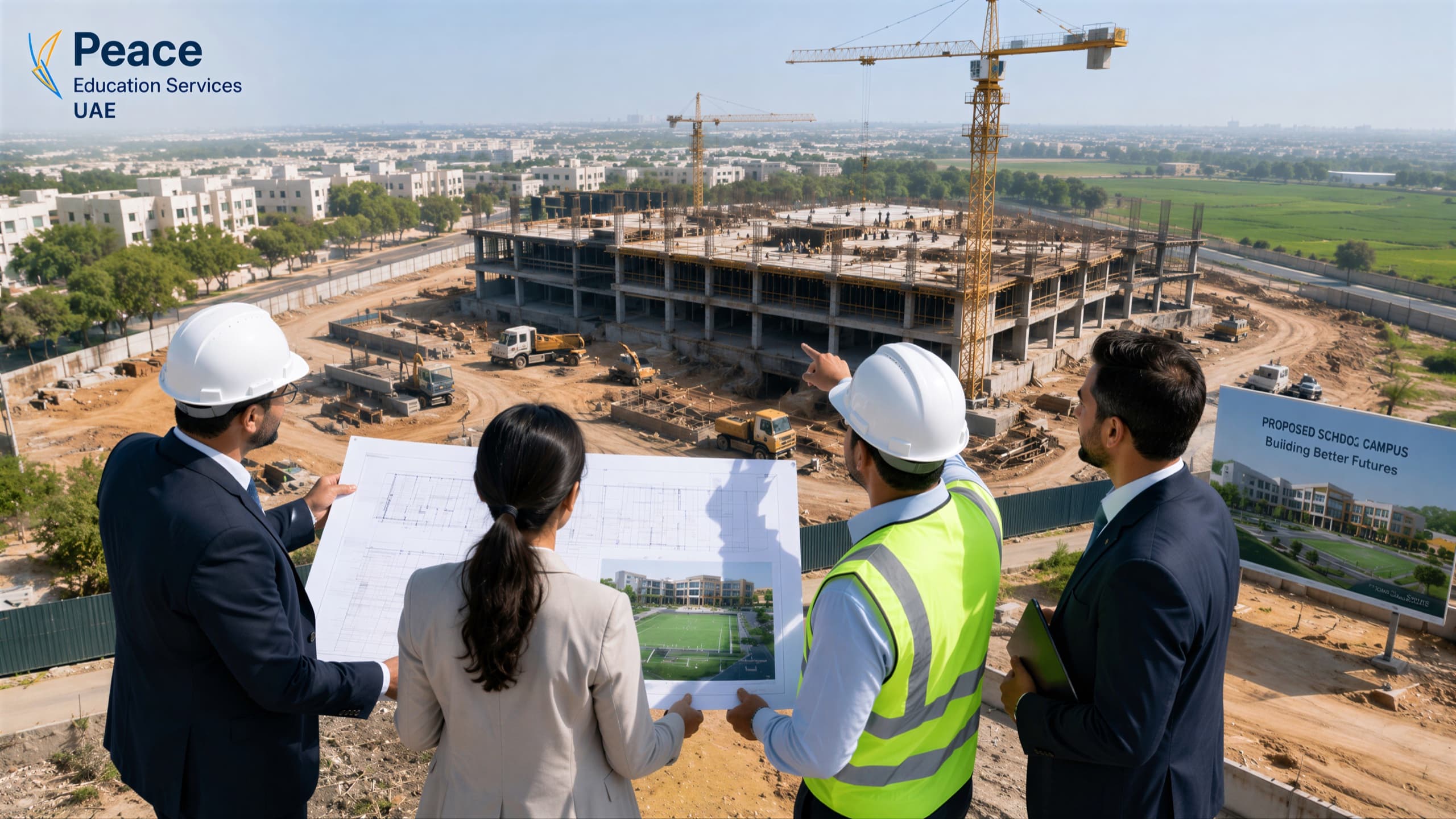
Concept, academic model, curriculum choice, staffing shape and phasing for a school that does not exist yet — the decisions that are expensive to reverse once the building is up.
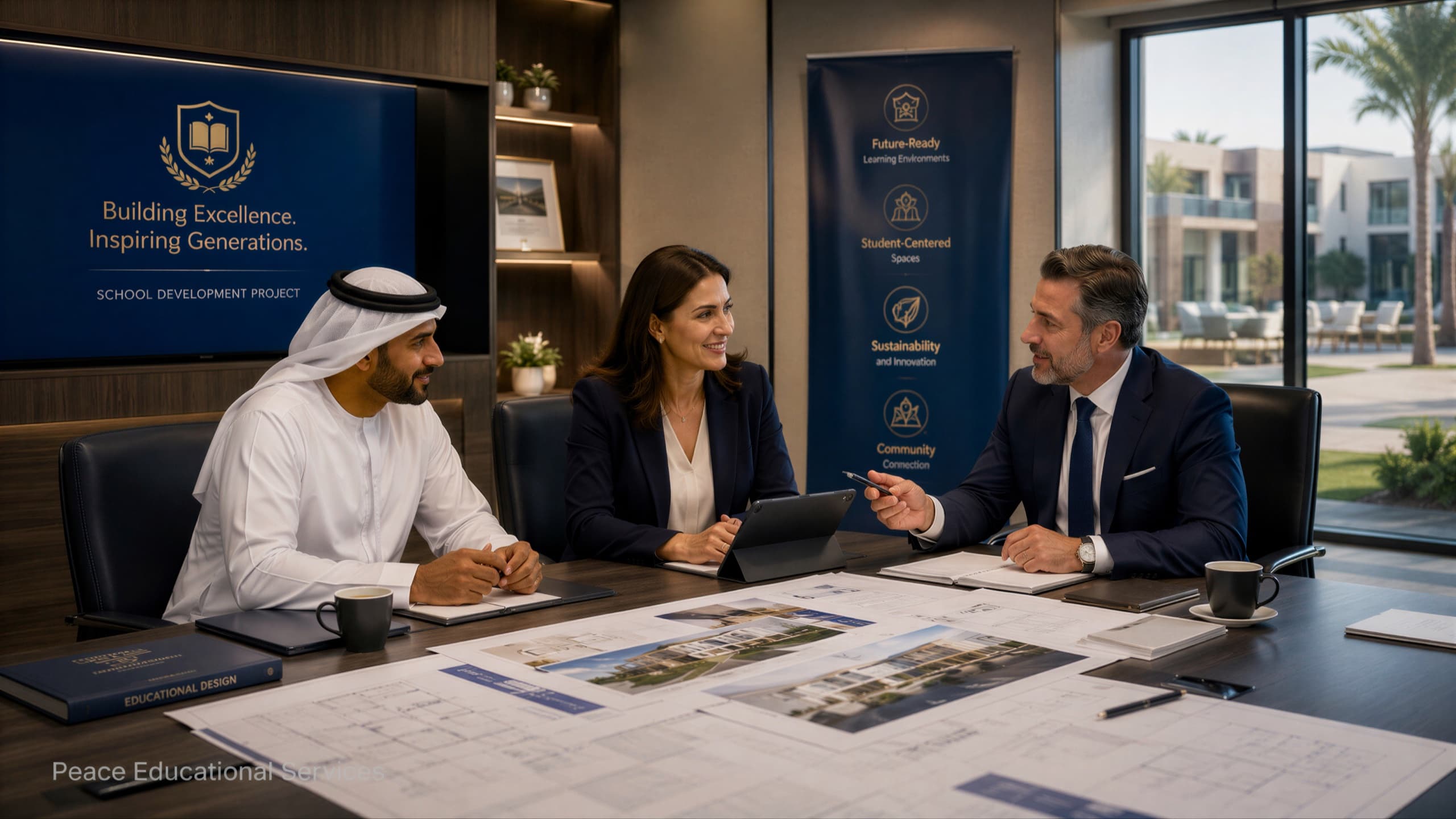
Whether the school does not exist yet or has been open for twenty years, the work is the same shape: decide what good looks like here, then build the systems that produce it every day.
School development
The service
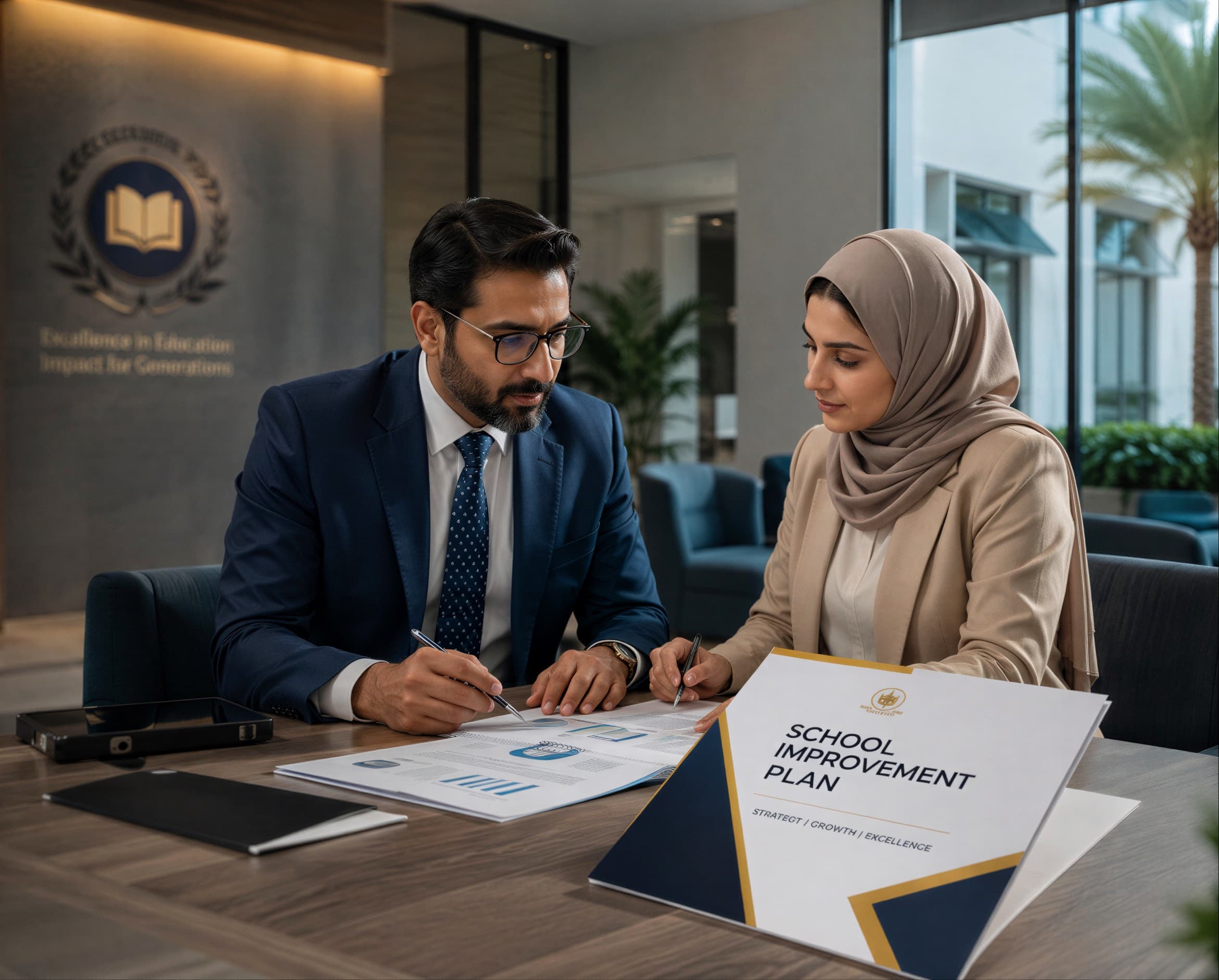
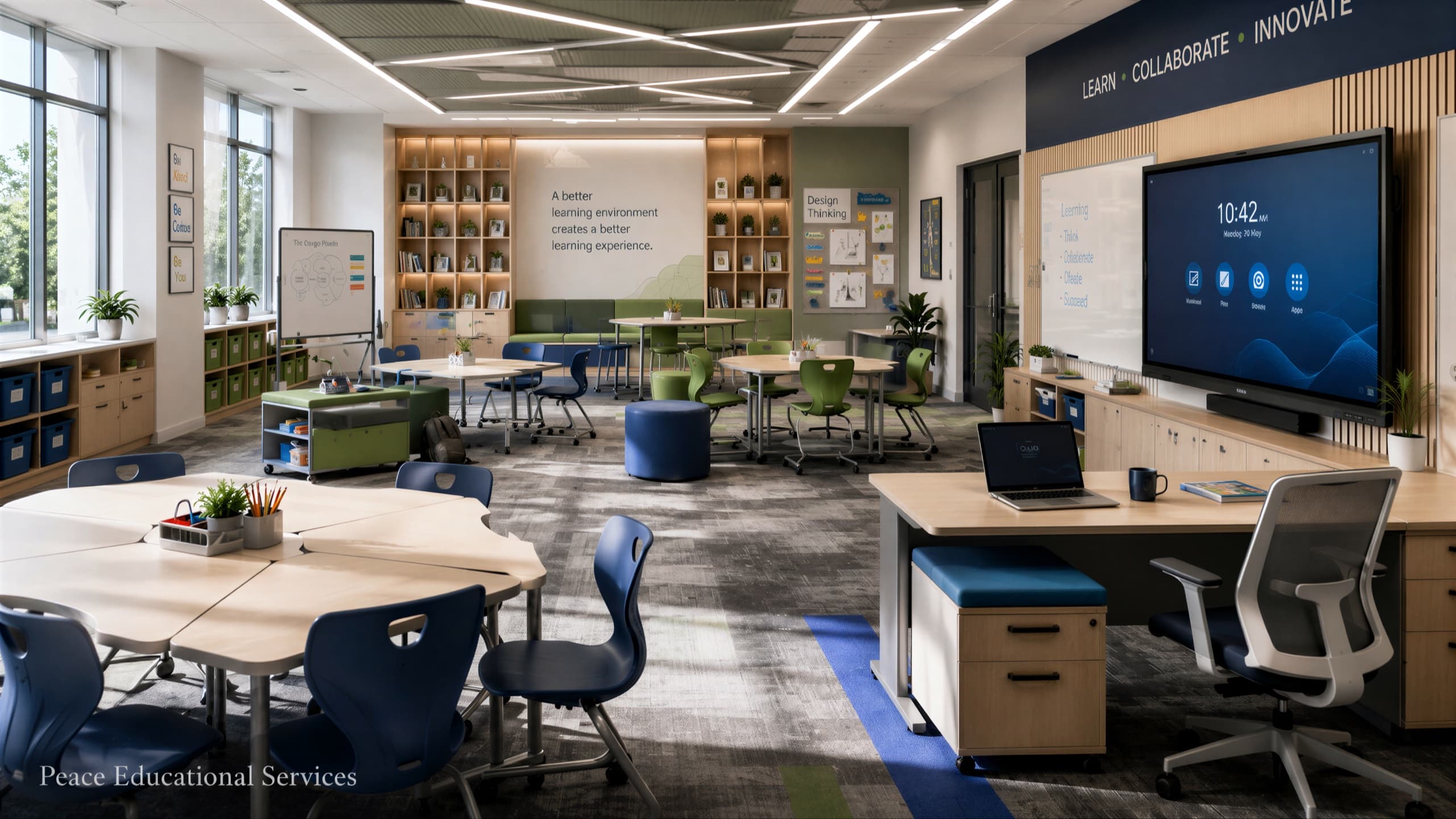
Most schools do not fail on ambition. They fail on the distance between the plan on the wall and what happens in a classroom on a wet Tuesday in week nine. School development is the work of closing that distance: an academic plan the teachers actually use, an operating rhythm the leadership team can run without heroics, and a way of checking that both are working before an inspection tells you they are not.
We come at this as operators. Peace English Medium Schools was built and is run by the people advising you, so the recommendations you get are the ones we have already had to live with — timetables that survive a staff absence, assessment cycles that do not consume a term, improvement plans short enough to be remembered.
An engagement can be a single review or a multi-year partnership. It usually starts with two days of listening, and never starts with a template.
Coverage
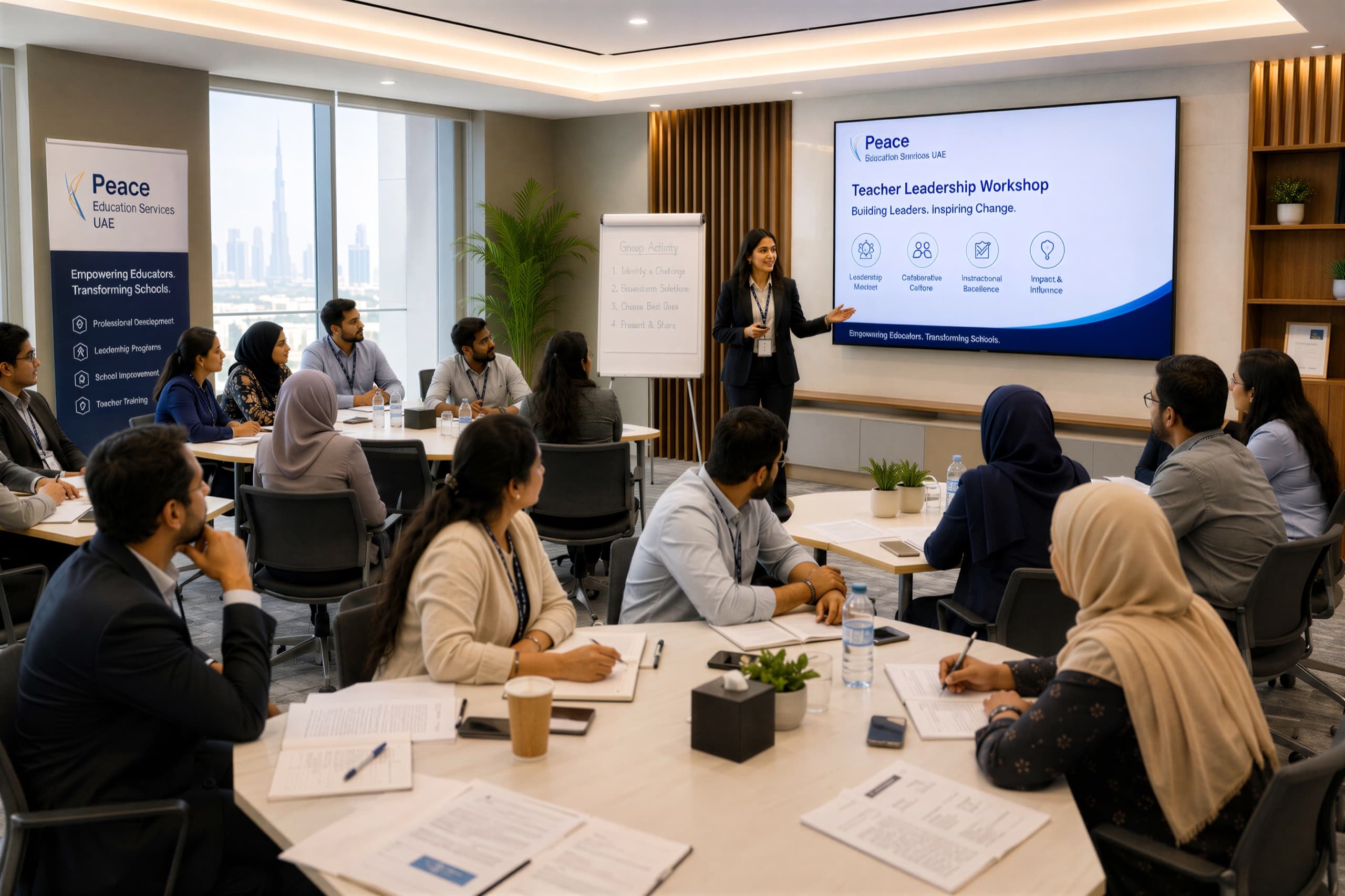
Seven strands of work, each one explained and pictured. Take the whole of it, or the one strand your school is short on.
Concept, academic model, curriculum choice, staffing shape and phasing for a school that does not exist yet — the decisions that are expensive to reverse once the building is up.
Adding a phase, a stream, a curriculum or a campus without breaking what already works, including the sequencing of staff, space and admissions.
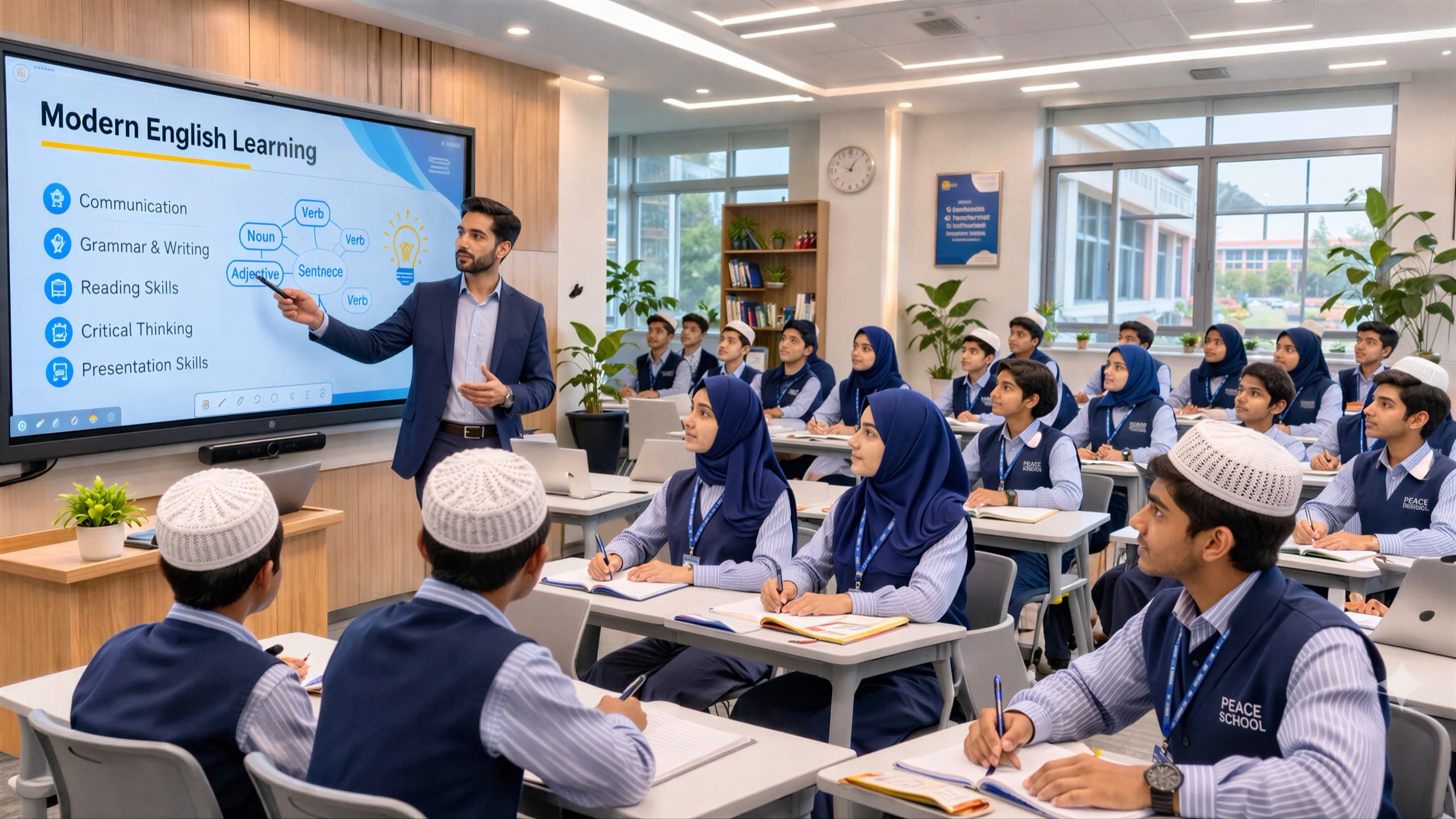
Curriculum mapping, scheme-of-work structure, assessment calendars and the teaching load behind them, built to the standard your authority inspects against.
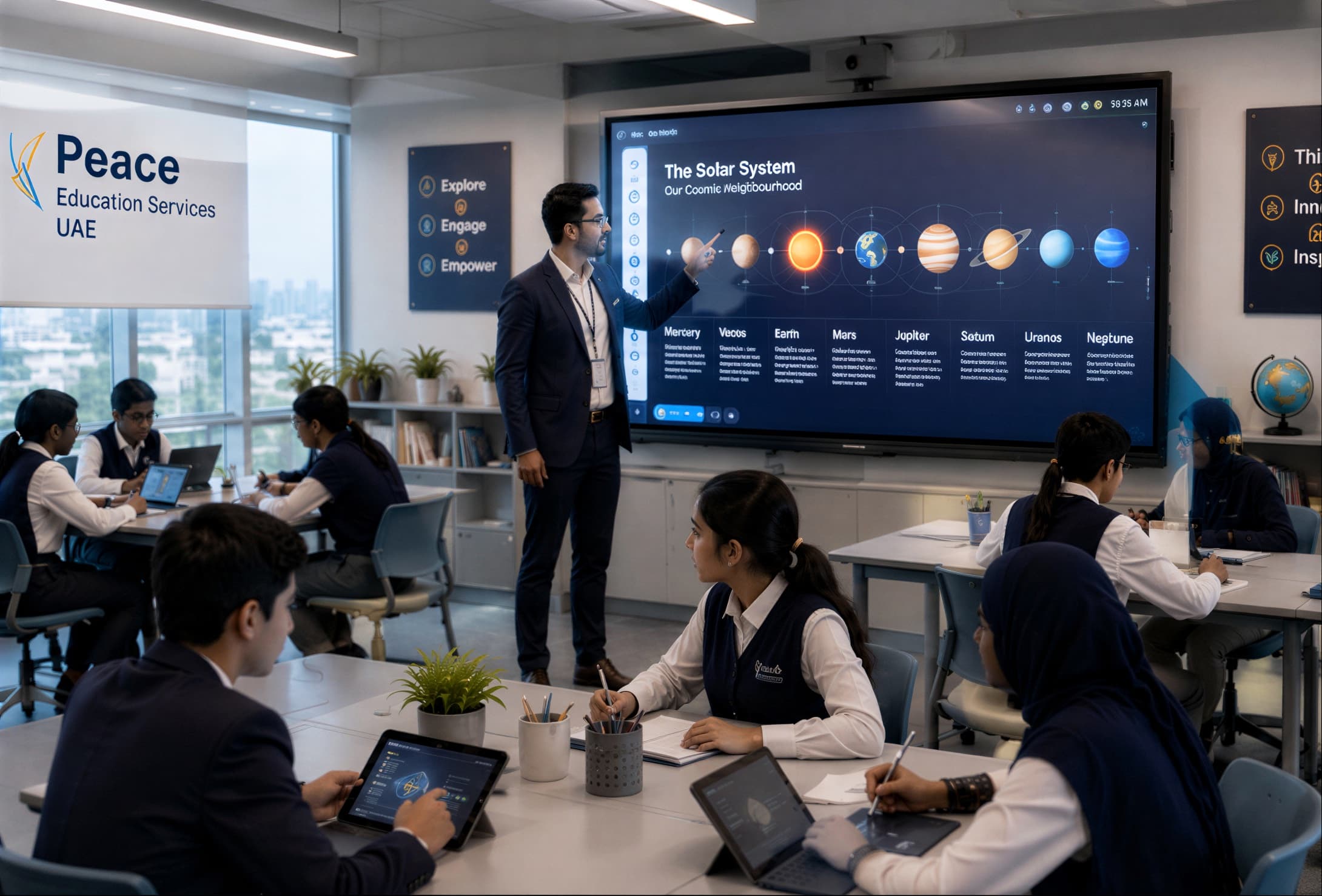
A short, prioritised improvement plan with named owners and dates, drawn from evidence rather than from a wish list, and reviewed on a cycle you can actually keep.
Admissions, attendance, timetabling, safeguarding records, procurement and reporting written down as procedures that a new staff member can follow in week one.
Coaching and structure for principals and heads of department: line management that works, meetings with a purpose, and delegation that does not quietly return to the top.

Lesson observation frameworks, work scrutiny, internal review and self-evaluation that produce an honest picture before an external one arrives.
Deliverables
Deliverables, not intentions. Each of these is a thing that exists at the end of the engagement and can be pointed at.
Priorities, owners, dates and the evidence each one will be judged on. Short enough that the leadership team keeps it open.
Curriculum map, assessment calendar and reporting cycle, aligned to the curriculum and authority you operate under.
The routines that keep a school running, written down once so they survive staff turnover.
Scheduled checkpoints where the plan is measured against what actually happened, with us in the room if you want us there.
Looking ahead
A school produces evidence all day long — attendance, assessment, behaviour, staffing — and almost none of it reaches the leadership team while it can still change a decision. The AI work we are building sits in exactly that gap.
Attendance, assessment and behaviour read together as the patterns form, instead of being summarised after the term they belonged to.
What that looks like
A Monday briefing that names the cohort slipping in one subject, three weeks before a report card would have shown it.
The first draft of a development plan assembled from the school's own evidence and the inspection framework it answers to — then argued over by people who run schools.
What that looks like
Two days of drafting becomes an afternoon of editing, and the judgement stays with your leadership team.
Policies, procedures, calendars and past reports made answerable in plain language, in English or Arabic, without anything leaving the school's control.
What that looks like
A new head of department finds the safeguarding procedure by asking one question, instead of asking the one person who remembers it.
In development, and labelled that way deliberately. Ask where each of these stands when you enquire — we will tell you what is running, what is being built and what is still on the bench.
The route
The same five stations every project travels, applied to school development.
You tell us where the school is now — a plot of land, a first inspection report, or a good school that has stopped improving.
We spend time on site and with your data, then send a scoped proposal: what we would work on, in what order, and what it costs.
Draft academic and operating models come back to you as documents you can mark up, before anyone is asked to work to them.
The agreed plan is put into practice with your leadership team, alongside training, recruitment or procurement where the plan needs them.
We come back on the agreed cycle, measure against the plan, and adjust it. Improvement that is not checked is a document, not a change.
Questions
No. We work with your leadership team and hand everything to them. If you want a management contract rather than a development partnership, say so at the first conversation and we will tell you honestly whether that is something we should take on together.
Before the building is designed is not too early. Academic model decisions change room sizes, laboratory counts and circulation, and they are far cheaper to make on paper.
We work across the curricula common in the UAE and India, including CBSE, British and American models. The improvement work is largely curriculum-independent; the academic planning is not, and we will tell you where our experience is deepest.
Pairs well with
Start the conversation
Whether that is thirty teachers, one laboratory, or a building that opens in September, the first conversation is the same.
Start an enquiry